Blog Details

How many hours you should study to score good marks in boards 2025
How many hours you should study to score good marks in boards 2025
1. Study Hours: General Guidelines
- Ideal Study Time per Day:
- For 12th students: Aim for 6-8 hours of study
per day.
- If you can manage, aim for
7-8 hours for maximum effectiveness, especially as exams approach.
- If you’re in the final
stretch (1-2 months before exams), you might need to increase it to 9-10
hours.
Note: Quality matters more than quantity. It’s better to
study for 6 focused, effective hours than 8-9 hours of distracted studying.
- Breaks:
- Take Regular Breaks: After 1-2 hours of
studying, take a 10-15 minute break. This keeps your mind fresh and
improves productivity.
- Longer Breaks: After every 4-5 hours of
studying, take a longer break (about 30-60 minutes) to refresh yourself.
2. Study Time Breakdown
A
balanced study schedule is key to avoid burnout and cover all subjects
effectively.
- Morning Session (3-4 hours):
- Early mornings are
generally the best time for focused studying as your mind is fresh.
- Start with difficult
subjects or topics that need more time.
- Afternoon Session (2-3
hours):
- After lunch, you might feel
a little sluggish, so consider revising easier topics or subjects that
you’re comfortable with.
- This session can also be
used for practicing problems (math's, physics, etc.) or for quick
revisions of previous day’s work.
- Evening Session (1-2 hours):
- The evening session can be
reserved for lighter subjects or revising what you studied in the morning
and afternoon.
- If you're studying for
exams near the end of your preparation, this is a good time for mock
tests and time-bound revisions.
3. Key Factors to Consider in Your Study Plan
- Consistency is Key:
- Study consistently every
day. A few hours of focused, regular study are more effective than long, irregular
study sessions.
- Use Active Learning:
- Don’t just read; engage
with the material. Make notes, write summaries, solve problems, and test
yourself.
- Prioritize Subjects:
- Spend more time on subjects
or chapters you find challenging or are more important for scoring high
marks (for example, mathematics, physics, etc.).
- For languages or subjects
you are more comfortable with, you might need slightly fewer hours but
ensure you revise them too.
4. Study Time During the Last 2-3 Months Before Exams:
- Increase Hours Gradually:
- As you get closer to the
exam dates (1-2 months away), gradually increase your daily study hours
to 9-10 hours. This should include time for practice, mock tests, and
revisions.
- Incorporate more mock
exams, time management practice, and review previous year's question
papers.
- Focus on Revision:
- In the last few weeks
before exams, your focus should shift to revision and strengthening weak
areas.
- Revise topics, solve sample
papers, and try to simulate exam conditions by practicing time-bound mock
tests.
5. Study Routine for Weekends and Holidays:
On
weekends or holidays, you can dedicate more hours to study since you’re not
bound by school hours. Try to get in 8-10 hours of study on these days but be
sure to give yourself at least one day off each week to avoid burnout.
6. Study Methods and Tips for Maximizing Productivity:
- Active Recall and Spaced
Repetition:
- Use techniques like active
recall and spaced repetition to strengthen your memory.
- Instead of passively
reading, quiz yourself and try to recall key points from memory.
- Prioritize Important Topics:
- Focus on the most important
chapters and topics that are likely to appear in the exams. Refer to your
board exam syllabus and previous year’s papers.
- Avoid Multitasking:
- Stay focused on one subject
at a time. Multitasking can decrease efficiency and distract you from
your goal.
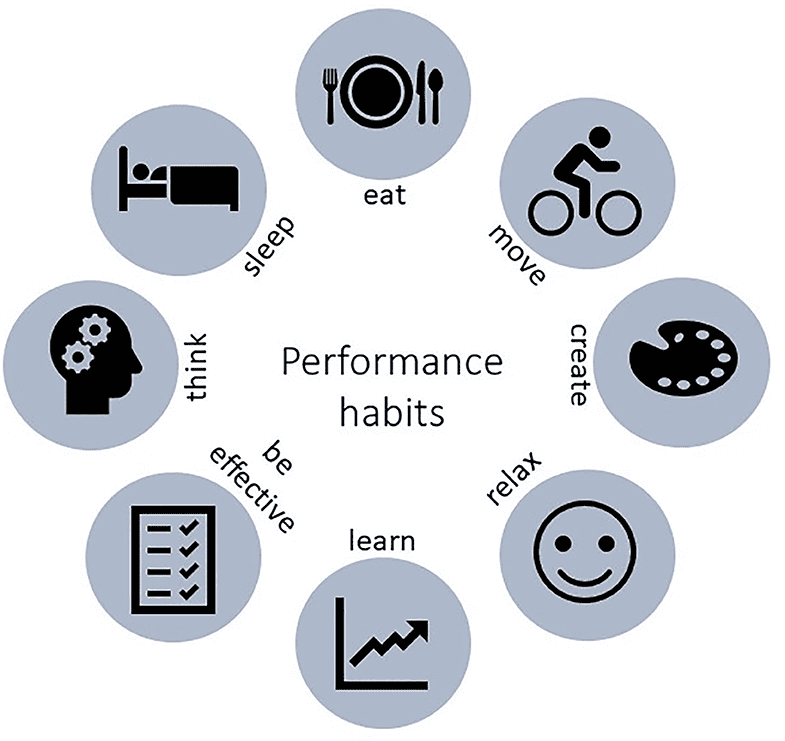
- Stay Physically and Mentally
Healthy:
- Your brain needs to be
sharp to retain information, so make sure to take care of your body. Eat
healthy, stay hydrated, and get enough sleep.
In Summary:
- Daily Study Time: Aim for 6-8 hours per day,
increasing to 9-10 hours closer to exam day.
- Breaks: Take short breaks every 1-2
hours and a longer break every 4-5 hours.
- Quality over Quantity: Focus on understanding
concepts, solving problems, and active learning rather than just spending
hours reading.
- Consistency and Balance: Create a balanced study
routine and stick to it consistently.
Remember, everyone’s pace and learning style is
different, so adjust your schedule based on what works best for you. With a
focused and disciplined approach, you’ll be well on your way to scoring good
marks in your board exams!
Leave a Comment
Latest posts






Copyright | E-Vidyalay. All Rights Reserved. | Developed By Digital Animation Media OPC Pvt. Ltd.

2 Comments
David Shon
Nam vel lacus eu nisl bibendum accumsan vitae vitae nibh. Nam nec eros id magna hendrerit sagittis. Nullam sed mi non odio feugiat volutpat sit amet nec elit. Maecenas id hendrerit ipsum. Sed eget auctor metus, ac dapibus dolor.
ReplyJhon Watchson
Nam vel lacus eu nisl bibendum accumsan vitae vitae nibh. Nam nec eros id magna hendrerit sagittis. Nullam sed mi non odio feugiat volutpat sit amet nec elit. Maecenas id hendrerit ipsum. Sed eget auctor metus, ac dapibus dolor.
Reply